

Introduction
Artificial Intelligence is transforming the way modern applications are developed and used. One of the most significant advancements in AI is the development of Large Language Models (LLMs), which can understand, process, and generate human-like text.
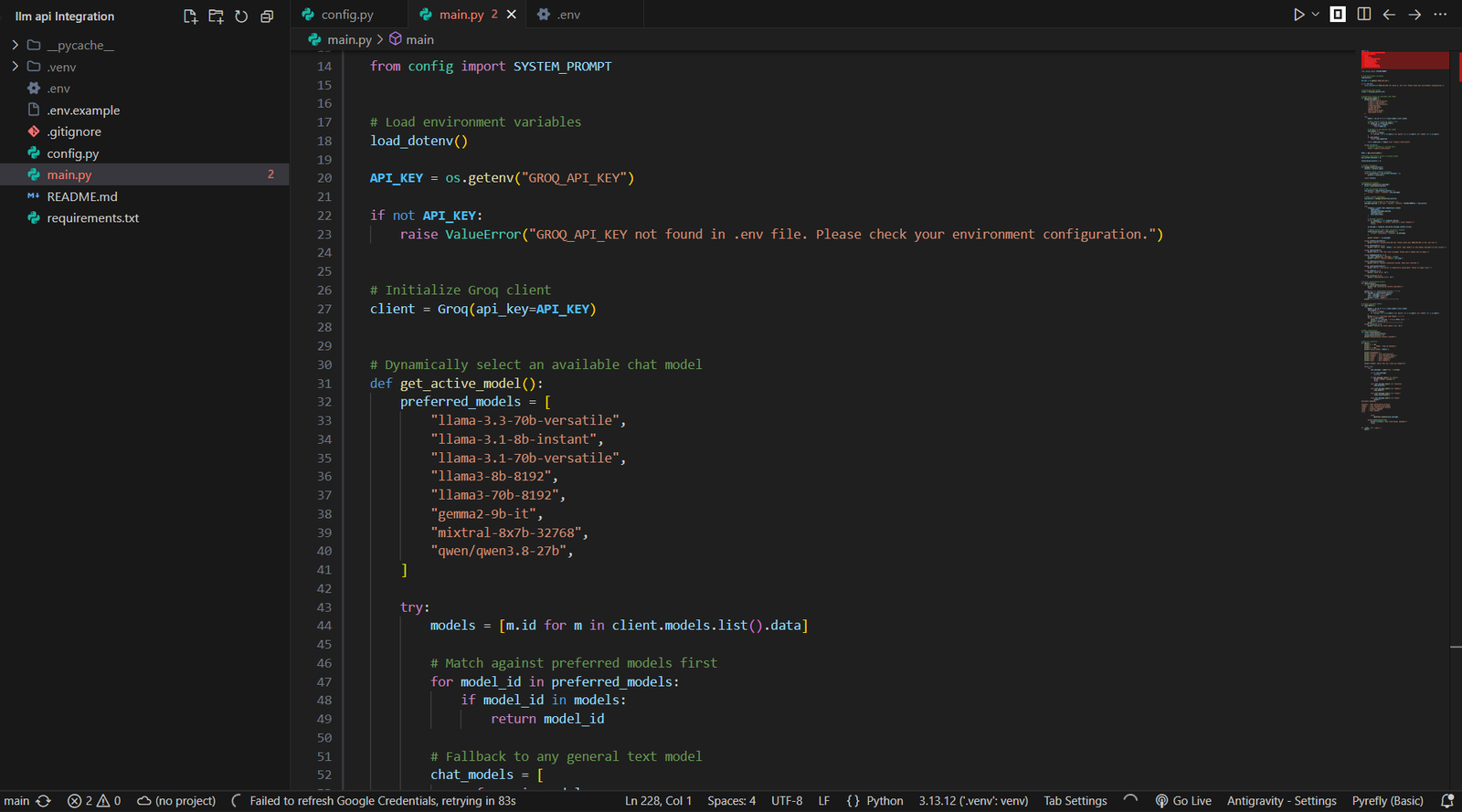
LLM API Integration allows developers to connect applications with powerful AI models through APIs. Instead of building and training an AI model from scratch, developers can use existing models to add intelligent features to their applications.
What is LLM API Integration?
LLM API Integration is the process of connecting an application to a Large Language Model through an Application Programming Interface (API).
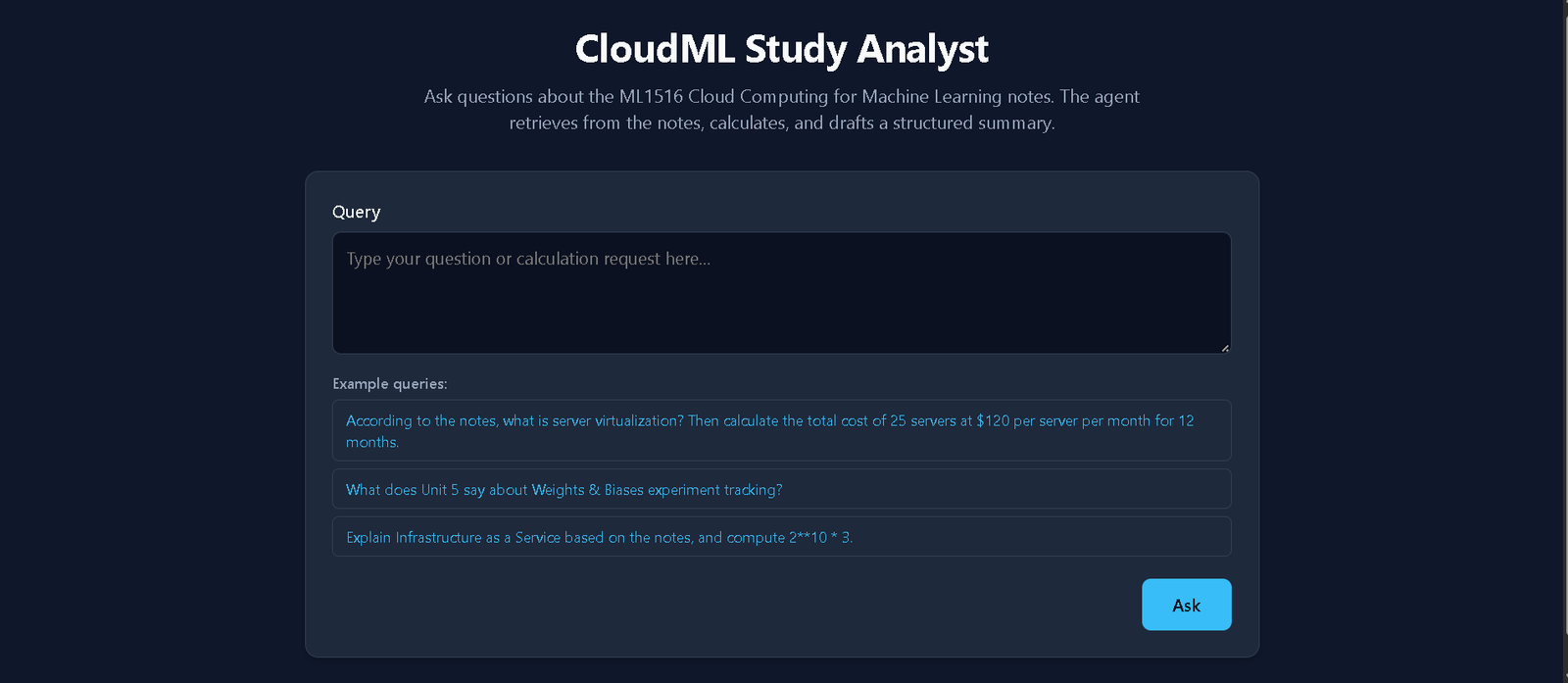
An LLM API allows developers to send input such as text, questions, or instructions and receive AI-generated responses.
Popular LLM API providers include:
- OpenAI
- Google Gemini
- Anthropic Claude
- Groq
How Does LLM API Integration Work?
The integration process generally involves the following steps:
- API Key Generation: Register with an LLM provider and generate an API key.
- API Configuration: Configure the API endpoint, authentication, and model parameters.
- User Input: Collect input from the application user.
- API Request: Send the input to the LLM through an HTTP request.
- AI Processing: The LLM processes the request and generates a response.
- Response Handling: Receive and process the response.
- Output Display: Display the generated response in the application interface.
Technologies Used
Some commonly used technologies for LLM API integration include:
- Java / Python: Backend application development.
- REST API: Communication between applications and AI services.
- JSON: Data exchange format.
- Spring Boot / Flask: Backend frameworks.
- React: Frontend development.
- API Authentication: Secure communication using API keys or supported authentication mechanisms.
Real-World Applications
LLM API integration can be used in various applications:
- AI Chatbots: Build intelligent conversational assistants.
- Document Summarization: Summarize lengthy documents and reports.
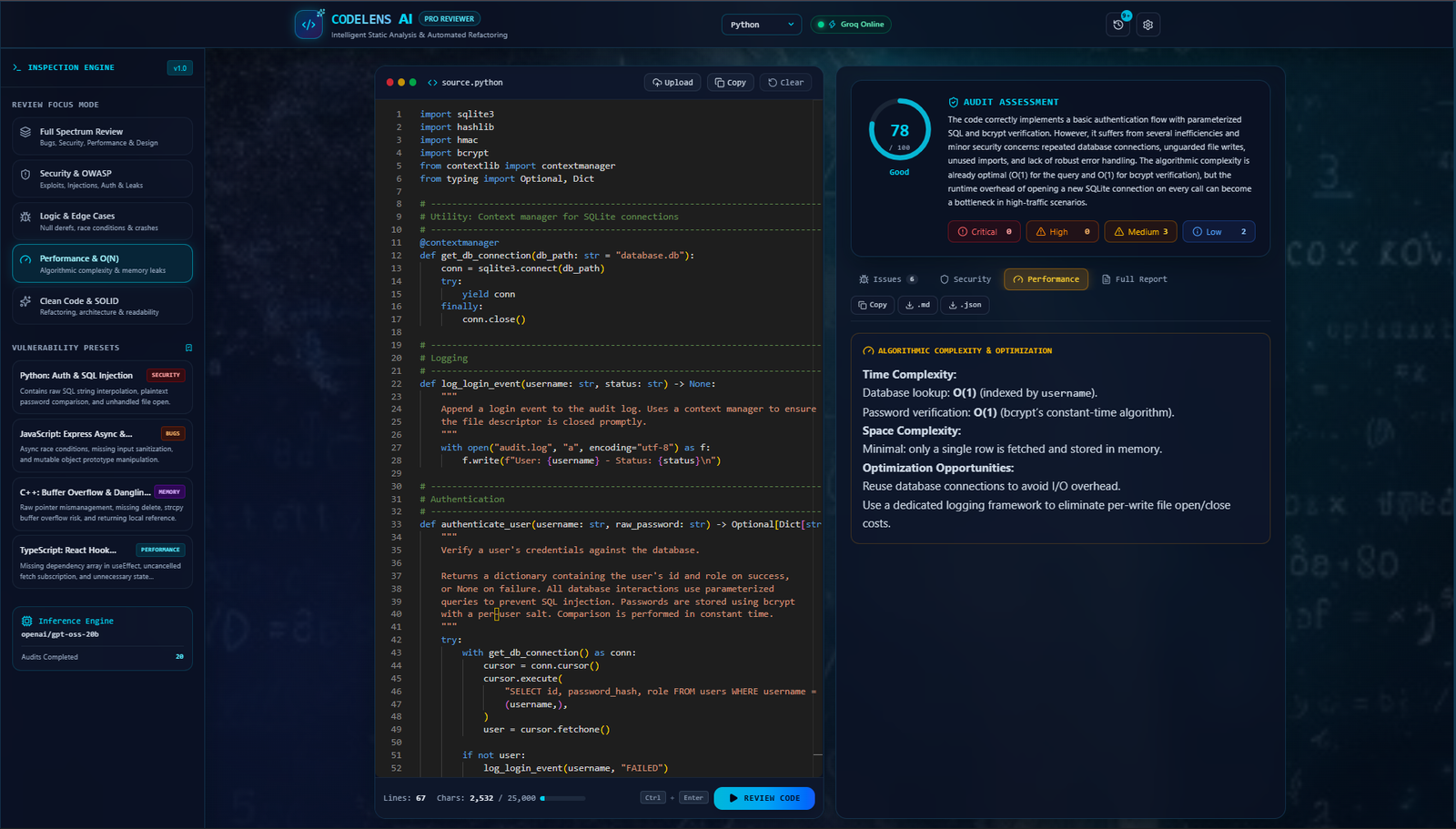
- Code Assistance: Generate, explain, and debug programming code.
- Customer Support: Automate responses to frequently asked questions.
- Data Analysis: Extract meaningful insights from unstructured text.
- Healthcare Applications: Assist with administrative information retrieval and patient-support workflows, subject to appropriate privacy and clinical safeguards.
Challenges in LLM API Integration
Although LLM integration provides several advantages, developers must consider some challenges:
- API rate limits and usage costs.
- Response latency.
- API key security.
- Hallucinations and inaccurate responses.
- Data privacy and security.
- Error handling and service availability.
Developers should implement proper validation, exception handling, secure credential management, and response verification.
Best Practices
- Never expose API keys in frontend code.
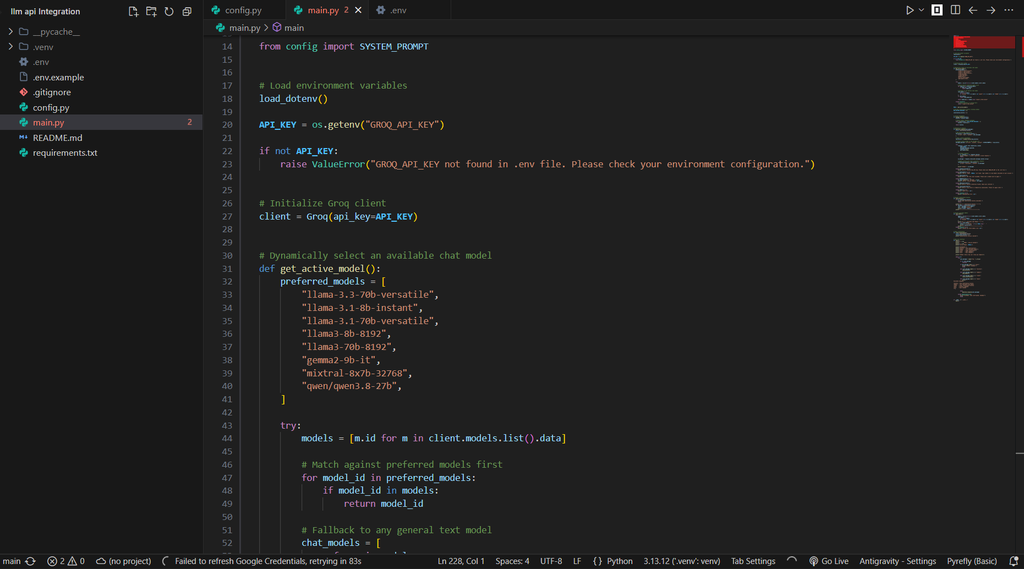
- Store credentials using environment variables or a secure secrets manager.
- Validate user inputs before sending API requests.
- Implement timeout and retry mechanisms appropriately.
- Monitor API usage and costs.
- Handle API failures gracefully.
- Evaluate AI-generated responses before using them in critical applications.
Conclusion
LLM API Integration is an important skill in modern software development. It enables developers to incorporate artificial intelligence into existing applications without developing complex language models from scratch.
Understanding API communication, authentication, prompt engineering, response handling, and error management helps developers build reliable AI-powered applications.
As AI technology continues to evolve, LLM API integration will play an increasingly important role in building intelligent and scalable software solutions.

Leave a Reply
You must be logged in to post a comment.