

Introduction
Introduction
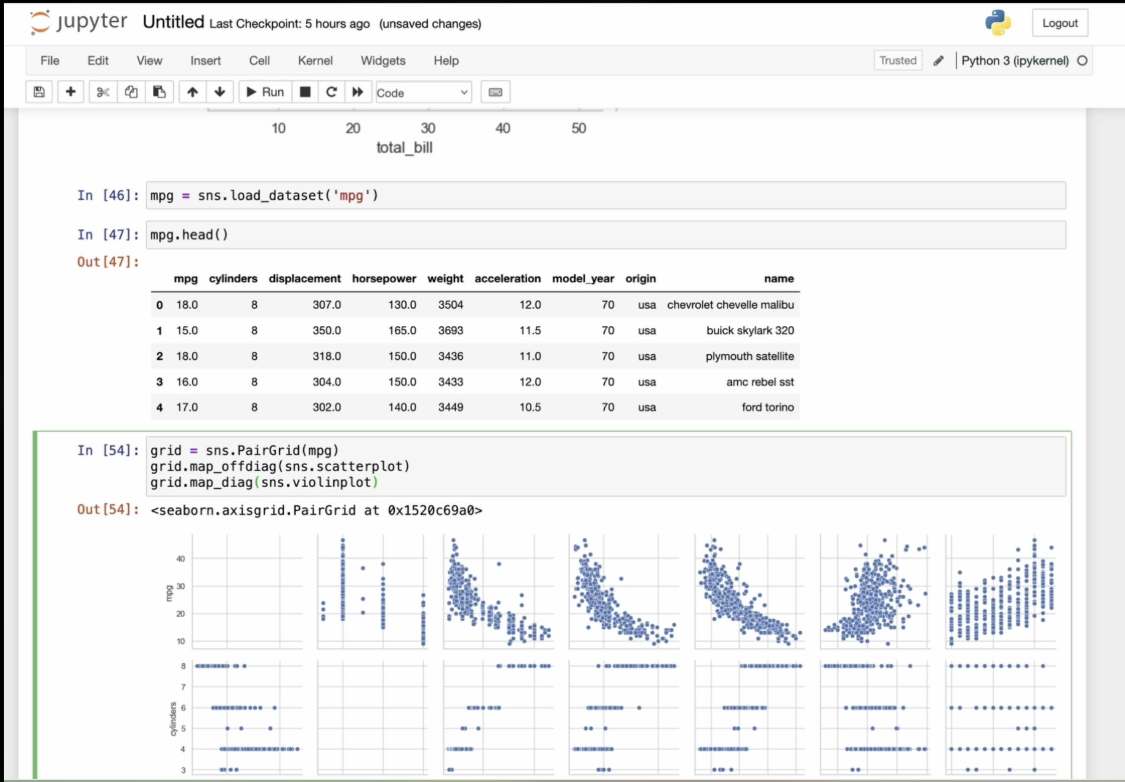
Hotel Booking Data Cleaning is an important step in preparing hotel reservation data for accurate analysis. Real-world hotel booking datasets may contain missing values, duplicate records, inconsistent data formats and unusual numerical values. These issues can affect the reliability of analytical results.
In this project, I explored data cleaning and preprocessing techniques using Python and Pandas. The main objective was to identify data quality issues, understand the dataset structure and prepare the information for further analysis.
This project demonstrates practical applications of Python data analytics, including missing-value identification, duplicate detection, outlier investigation and data visualization. It also highlights why clean and reliable data is essential for making meaningful business decisions.
Project Overview
The main objective of this project is to perform data cleaning and preprocessing on hotel booking data using Python libraries.
The project follows a structured workflow, starting with understanding the dataset and identifying data quality problems, followed by applying appropriate cleaning techniques.
Project details:
- Project: Hotel Booking Data Cleaning
- Domain: Data Analytics
- Programming Language: Python
- Main Library: Pandas
- Supporting Libraries: NumPy, Matplotlib and Seaborn
- Development Environment: Jupyter Notebook
Hotel Booking Data Cleaning using Python Pandas
Why Is Data Cleaning Important in the Hotel Industry?
Hotel booking information can support important business decisions, including reservation management, customer service, pricing strategies and demand analysis.
However, inaccurate or incomplete records can lead to misleading conclusions.
For example:
- Missing booking dates can make time-based analysis difficult.
- Duplicate reservations can affect booking counts.
- Incorrect customer or booking information can reduce data reliability.
- Unusual price values can influence average revenue calculations.
- Inconsistent categorical values can create problems during grouping and analysis.
Data cleaning helps reduce these problems and improves the quality of information used for further analysis.
Understanding the Hotel Booking Dataset
The first stage of the project is understanding the dataset before making any modifications.
Using Pandas, a dataset can be loaded into a DataFrame and inspected to understand its structure, columns, data types and records.
Some useful inspection operations include:
head()– Displays the first few records.tail()– Displays the last few records.shape– Returns the number of rows and columns.info()– Displays column names, data types and non-null counts.describe()– Generates descriptive statistics.isnull().sum()– Checks missing values in each column.
These operations provide an initial understanding of the dataset and help identify areas that require attention.
Data Cleaning and Preprocessing Workflow
Data cleaning is not simply deleting unwanted records. It involves understanding the problem, selecting an appropriate treatment and checking whether the resulting data is suitable for analysis.
1. Identifying Missing Values
Missing values occur when information is unavailable for one or more records.
For example, a hotel booking record may not contain a value for a customer-related field or booking detail.
Pandas provides useful methods for identifying missing information:
df.isnull().sum()The result helps identify which columns contain missing values and how many values are unavailable.
Depending on the meaning and importance of a column, missing values can be handled by:
- Removing records when they are unsuitable for analysis.
- Filling numerical values using an appropriate statistical measure.
- Filling categorical values using a suitable category or label.
- Investigating whether missing information has a meaningful interpretation.
The choice of treatment should depend on the dataset and the purpose of the analysis.
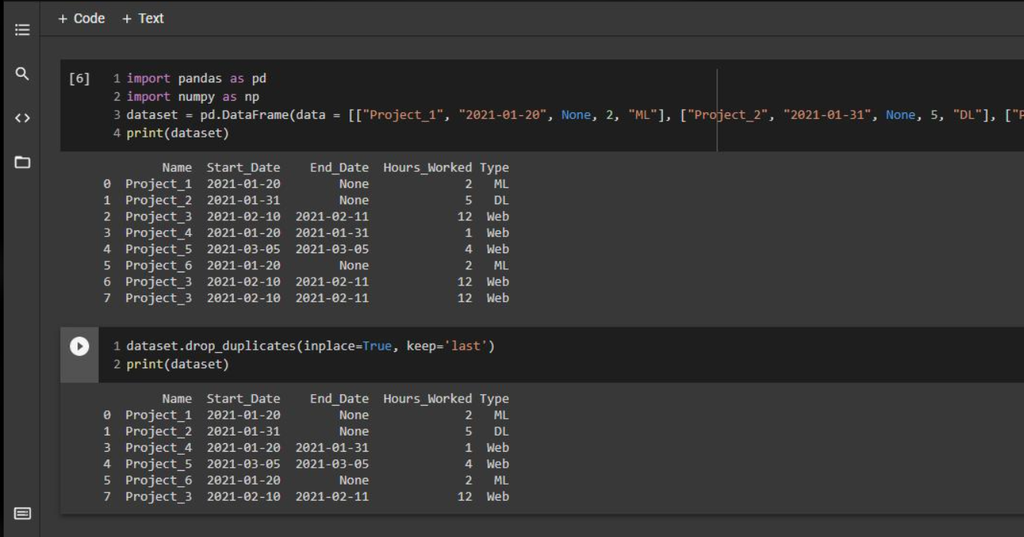
2. Identifying and Removing Duplicate Records
Duplicate records occur when the same observation appears more than once.
They can affect record counts and produce misleading summaries.
Pandas provides the following methods:
df.duplicated().sum()To remove duplicate rows:
df = df.drop_duplicates()Removing duplicates helps maintain consistency, provided the records are genuine duplicates rather than separate valid bookings.
3. Detecting and Treating Outliers
Outliers are observations that differ significantly from the general distribution of values.
In hotel booking data, unusual values may occur in numerical fields such as booking prices, lead times or the number of guests.
One common method for investigating outliers is the Interquartile Range (IQR).
The IQR is calculated as:
IQR = Q3 − Q1
Where:
- Q1 represents the first quartile.
- Q3 represents the third quartile.
The commonly used lower and upper boundaries are:
Lower Bound = Q1 − 1.5 × IQR
Upper Bound = Q3 + 1.5 × IQR
Python implementation:
Q1 = df['adr'].quantile(0.25)
Q3 = df['adr'].quantile(0.75)

IQR = Q3 - Q1

lower_bound = Q1 - 1.5 * IQR
upper_bound = Q3 + 1.5 * IQR

outliers = df[
    (df['adr'] < lower_bound) |
    (df['adr'] > upper_bound)
]
Here, adr is an example numerical column representing average daily rate. Replace it with the actual column name in your dataset if necessary.
An important point is that an outlier is not automatically an error. Unusual hotel prices or booking patterns may represent genuine business situations. Therefore, outliers should be investigated before deciding whether to retain, transform or remove them.
4. Checking Data Types and Consistency
Different columns require appropriate data types.
For example:
- Booking dates should use date or datetime formats.
- Numerical fields should use suitable numeric data types.
- Categorical fields should contain consistent labels.
Pandas provides:
df.dtypesA date column can be converted using:
df['reservation_status_date'] = pd.to_datetime(
    df['reservation_status_date'],
    errors='coerce'
)
Correct data types make calculations, filtering and analysis more reliable.
5. Handling Categorical Data
Categorical columns contain values such as hotel type, meal plan, customer type and reservation status.
Inconsistent labels can create unnecessary categories.
For example, values with different capitalization or extra spaces may represent the same category.
A basic text-cleaning operation is:
df['hotel'] = df['hotel'].str.strip()Categorical encoding can also be used when preparing data for machine learning algorithms.
One common technique is one-hot encoding:
df = pd.get_dummies(
    df,
    columns=['hotel'],
    dtype=int
)
The actual encoding technique should be selected according to the analytical objective and the requirements of the model.
Exploratory Data Analysis After Cleaning
After preprocessing, the cleaned dataset can be explored to understand its characteristics.
Exploratory Data Analysis (EDA) helps identify patterns, distributions and relationships within the data.
Python libraries make this process easier.
Using Matplotlib
Matplotlib can be used to create visualizations such as bar charts, line charts and histograms.
import matplotlib.pyplot as plt

df['adr'].hist(bins=30)

plt.title('Distribution of Average Daily Rate')
plt.xlabel('Average Daily Rate')
plt.ylabel('Frequency')

plt.show()
Using Seaborn
Seaborn provides statistical visualizations with a simple interface.
import seaborn as sns
import matplotlib.pyplot as plt

sns.set_theme(style='whitegrid')

sns.histplot(data=df, x='adr', kde=True)

plt.title('Hotel Booking Price Distribution')
plt.show()
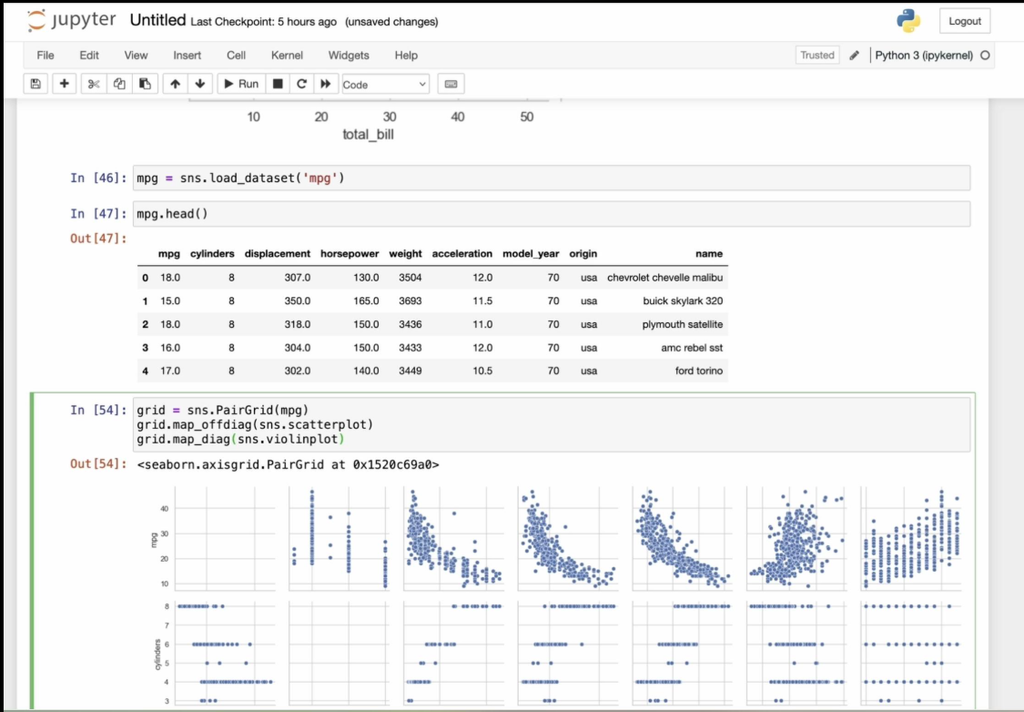
These visualizations can help examine numerical distributions and identify unusual patterns.
Hotel booking data analysis and visualization using Python
Tools and Technologies Used
The project uses Python and its data analysis ecosystem.
Python: Used for programming and implementing the data cleaning workflow.
Pandas: Used for loading, inspecting, filtering and manipulating tabular data.
NumPy: Supports numerical operations and data processing.
Matplotlib: Used for creating charts and visual representations.
Seaborn: Used for statistical data visualization.
Jupyter Notebook: Provides an interactive environment for writing and executing Python code.
Key Learnings from the Project
Working on this project provided practical exposure to several important data analytics concepts.
The key learning areas include:
- Understanding the structure and quality of real-world datasets.
- Inspecting datasets using Pandas.
- Identifying and handling missing values.
- Detecting duplicate records.
- Understanding outlier detection using the IQR method.
- Working with numerical and categorical data.
- Understanding data types and preprocessing.
- Using Matplotlib and Seaborn for visualization.
- Following a structured data cleaning workflow.
This project strengthened my understanding of data preprocessing and the importance of maintaining data quality before performing further analysis.
Useful Resources
- Pandas Documentation – Learn about data manipulation and cleaning.
- NumPy Documentation – Explore numerical computing with Python.
- Matplotlib Documentation – Learn Python data visualization.
- Seaborn Documentation – Explore statistical data visualization.
Conclusion
Data cleaning is a fundamental part of every successful data analysis project. Even advanced analytical methods cannot produce reliable conclusions when the underlying data contains unresolved quality issues.
Through this Hotel Booking Data Cleaning project, I explored how Python libraries such as Pandas and NumPy can be used to inspect, clean and prepare structured data.
The experience also helped me understand the importance of investigating missing values, duplicates, outliers and inconsistent data before moving towards exploratory data analysis.
Clean data is the foundation of meaningful analysis and better data-driven decisions.
Explore more technical articles, learning resources and updates on the Valentius Kryptix website.
Explore the Project on GitHub
The complete project source code and implementation are available here:
GitHub Repository:
https://github.com/krisnapriyaa/Hotel-Booking-Data-Cleaning/tree/main–3
Thank you for reading! I look forward to exploring more practical data analytics projects and applying Python to real-world datasets.

Leave a Reply
You must be logged in to post a comment.