
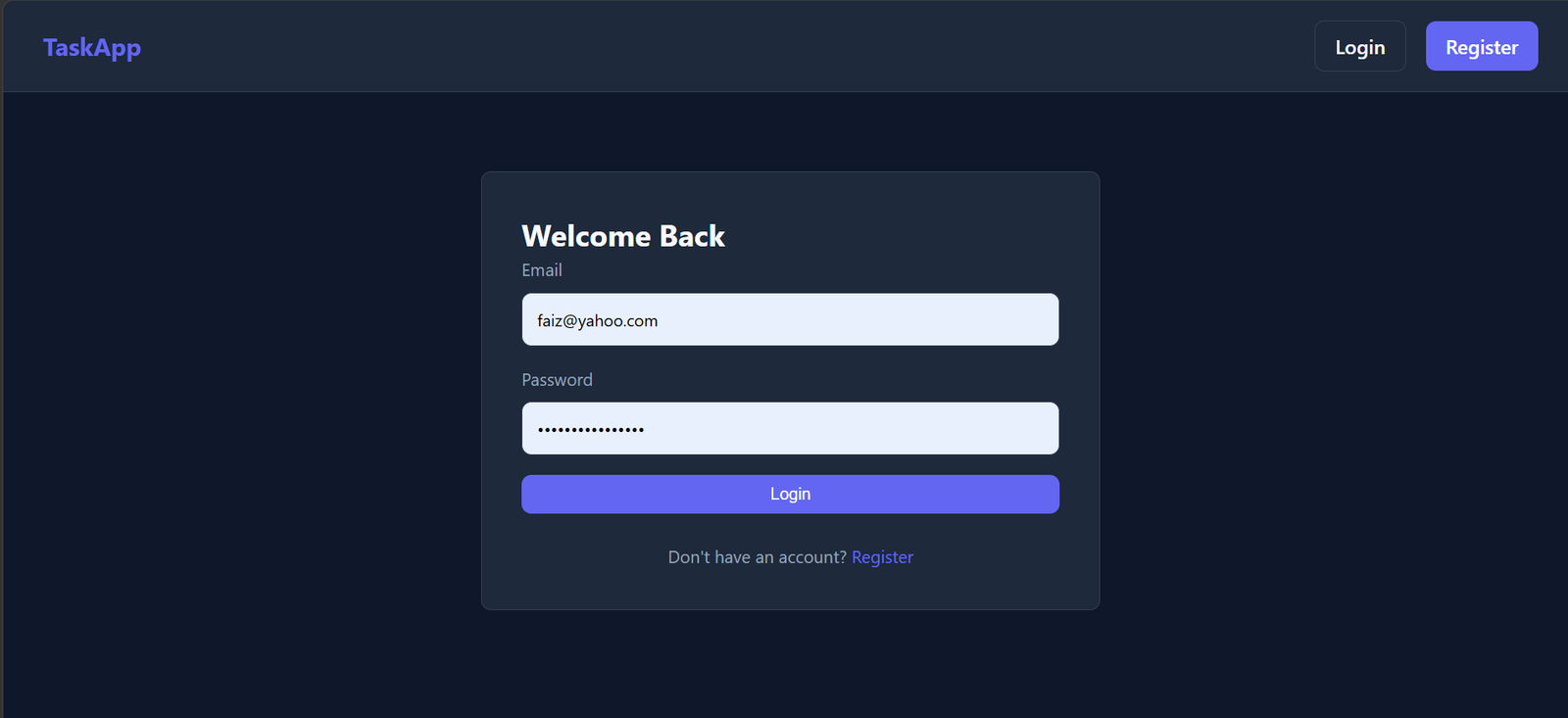

Building a full-stack application is only one part of the development journey. The real challenge begins when the application needs to move from a local development environment to a live, accessible system. This process, commonly known as full-stack deployment, brings together frontend development, backend services, databases, environment configuration, networking, and hosting.
As part of my current internship task at Valentius Kryptix, I am working on understanding and completing the full-stack deployment process. This experience has helped me understand how the different layers of an application communicate with each other and what is required to make a project available beyond the local development environment.
Understanding the Full-Stack Architecture
A typical full-stack application consists of multiple components working together.
The frontend is responsible for the user interface and interaction. It communicates with the backend through APIs and presents the data received from the server to the user.
The backend contains the application’s business logic. It processes requests from the frontend, communicates with databases or other services, performs required operations, and sends responses back to the client.
The database is responsible for storing and managing application data. During deployment, ensuring that the backend can securely and reliably communicate with the production database is an important part of the process.
Understanding this architecture made it easier to approach deployment as a complete system rather than treating frontend and backend deployment as completely separate tasks.
From Localhost to Deployment
During development, applications usually run locally using addresses such as localhost. While this environment is useful for development and testing, users outside the developer’s system cannot access the application directly.
Deployment changes this by hosting the different application components on appropriate servers or cloud platforms.
One of the important lessons from this process is that an application that works perfectly on localhost may still require several changes before it can work correctly in a production environment.
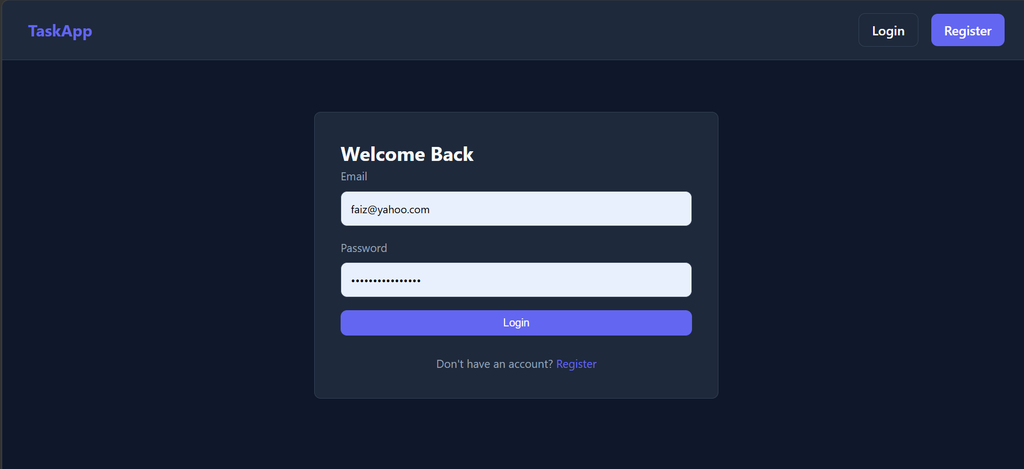
Configuration values, API URLs, database connections, ports, environment variables, build commands, and server settings all need to be considered.
Environment Configuration
One of the most important aspects of deployment is managing environment-specific configuration.
Applications commonly require values such as database credentials, API endpoints, authentication keys, and other configuration parameters. These values should not be hard-coded directly into the application source code.
Using environment variables helps separate application code from configuration and makes it easier to maintain different settings for development and production environments.
This also highlighted an important development practice for me: deployment is not just about making an application run; it is also about making it run securely and reliably.
Connecting Frontend and Backend
Another important part of full-stack deployment is establishing communication between the deployed frontend and backend.
During local development, the frontend may communicate with a backend running on a local port. After deployment, that configuration needs to point to the backend’s production endpoint.
This requires careful testing of API requests, responses, authentication, error handling, and cross-origin communication.
A small configuration mistake can prevent the frontend from receiving data even when both the frontend and backend are successfully deployed. Debugging these issues helped me understand the importance of checking the complete request-response flow instead of looking at only one component.
Testing After Deployment
Deployment does not mean the work is finished.
Once the application is deployed, it needs to be tested in the production environment. Important areas include:
- Checking whether the application loads correctly
- Testing frontend-to-backend communication
- Verifying API responses
- Checking database connectivity
- Testing different user interactions
- Identifying deployment-specific errors
- Reviewing application logs
- Ensuring configuration values are correctly set
Testing after deployment provides confidence that the application behaves as expected outside the development environment.
Challenges and Learning
The deployment process has given me a better understanding of how many different pieces are involved in delivering a working application.
One of the biggest takeaways for me is that development and deployment are closely connected. Writing code is only part of building a software product. Understanding how that code is built, configured, hosted, connected, tested, and maintained is equally important.
I also learned the value of troubleshooting systematically. Instead of assuming that an error is coming from the code itself, it is important to examine the frontend, backend, API configuration, environment variables, network communication, and deployment platform individually.
Conclusion
Full-stack deployment has been a valuable hands-on learning experience because it connects concepts that are often learned separately during development.
From frontend interfaces and backend APIs to databases, environment configuration, networking, and production testing, every layer contributes to the final application.
As I continue my internship journey at Valentius Kryptix, I look forward to gaining more practical experience with deployment, improving my troubleshooting skills, and understanding how applications move from an idea and a development environment to a reliable real-world product.
Build it. Deploy it. Test it. Improve it. 🚀
#ValentiusKryptrix #WebDevlopment #SkillDevelopment #DeploymentToLiveApplication

Leave a Reply
You must be logged in to post a comment.