

Introduction
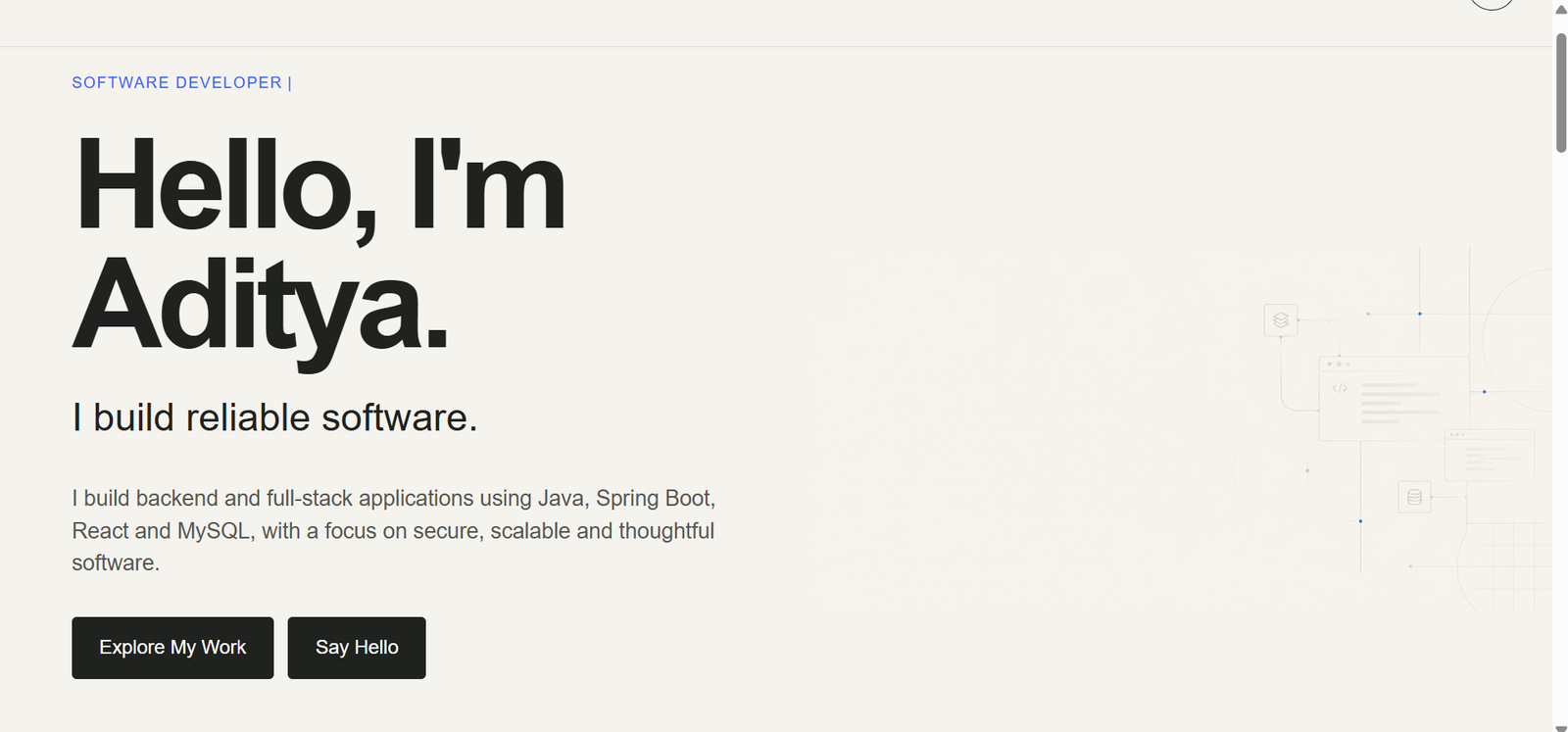
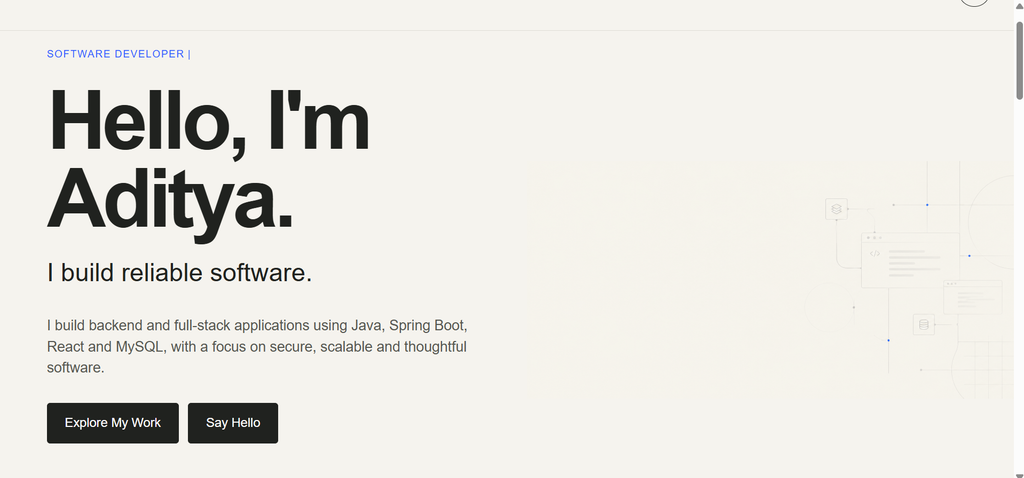
A professional portfolio website is an important tool for showcasing technical skills, projects, achievements, and professional experience. As part of my internship at Valentius Kryptix, I worked on the Portfolio Website project, which helped me understand how a well-structured website can present information effectively and create a strong online presence.
The project focused on creating a clean, professional, and user-friendly platform where visitors can explore a developer’s profile, technical capabilities, and project experience. It also provided an opportunity to strengthen my understanding of web development concepts and apply them in a practical project.
Project Objectives
The main objective of the Portfolio Website project was to develop a centralized platform for presenting professional information in an organized and accessible format.
The website was designed around several important goals:
- Professional presentation: Organize personal information, technical skills, and project details in a clear and visually appealing layout.
- User-friendly navigation: Make it easy for visitors to explore different sections of the website.
- Responsive design: Consider usability across desktops, tablets, and mobile devices.
- Project showcase: Provide a dedicated space to highlight completed projects and demonstrate practical experience.
- Maintainable structure: Keep the website’s components and content organized to support future improvements.
These objectives helped establish a practical foundation for developing a portfolio that can evolve alongside professional growth.
Development Approach and Technologies
During this project, I focused on understanding the relationship between website structure, visual design, and user experience. The development process involved organizing content into meaningful sections, maintaining consistent styling, and considering how visitors would interact with the website.
Depending on the project’s implementation, technologies such as HTML, CSS, and JavaScript can support the structure, styling, and interactive behavior of a portfolio website. HTML provides the content structure, CSS controls the visual presentation and responsive layouts, and JavaScript can introduce interactive features.
An important part of the process was keeping the design simple and purposeful. A portfolio should communicate relevant information without overwhelming visitors with unnecessary visual elements. Clear headings, readable text, consistent spacing, and logical navigation all contribute to a better browsing experience.
Key Learnings from the Project
1. Responsive Web Design
One of the important concepts in portfolio development is responsive design. Visitors may access a website using different screen sizes, so the layout should remain readable and usable across devices.
I learned the importance of planning page layouts carefully, using flexible styling techniques, and considering how content should adapt to smaller screens. Responsive design improves accessibility and helps provide a consistent experience for different users.
2. User Interface and User Experience
A professional website is not only about appearance; it should also be easy to understand and navigate. Organizing content into clear sections helps visitors quickly find information about skills, projects, and experience.
This project reinforced the value of visual consistency, readable typography, appropriate spacing, and straightforward navigation. These principles help create a more effective digital portfolio.
3. Code Organization and Continuous Improvement
Another valuable learning experience was understanding the importance of organized code and iterative development. Breaking a website into manageable sections makes it easier to review, maintain, and improve.
Testing the layout, checking links, reviewing content, and identifying areas for improvement are essential steps in the development process. These practices help create a more reliable and polished final result.
Challenges and Improvements
Building a portfolio involves balancing visual appeal with functionality. Too many design elements can distract visitors, while an overly simple layout may fail to communicate important information effectively.
Addressing these considerations requires thoughtful planning, attention to detail, and repeated testing. Future improvements could include enhanced animations, accessibility refinements, optimized image loading, additional project demonstrations, and more detailed contact information.
Performance and mobile usability should also remain priorities as the website evolves.
Project Outcome
The Portfolio Website project provided a practical opportunity to explore professional website development and apply important design and development principles. It helped me better understand how a portfolio can communicate technical capabilities, highlight project work, and support professional branding.
Conclusion
My Portfolio Website project during my internship at Valentius Kryptix was a valuable learning experience. It strengthened my understanding of website structure, responsive design, user experience, and code organization while encouraging me to think more carefully about how technical work is presented.
I am grateful for the opportunity to continue learning through practical projects and look forward to applying these concepts in future development work.
Every project is an opportunity to learn something new, improve existing skills, and take another step toward professional growth.

Leave a Reply
You must be logged in to post a comment.